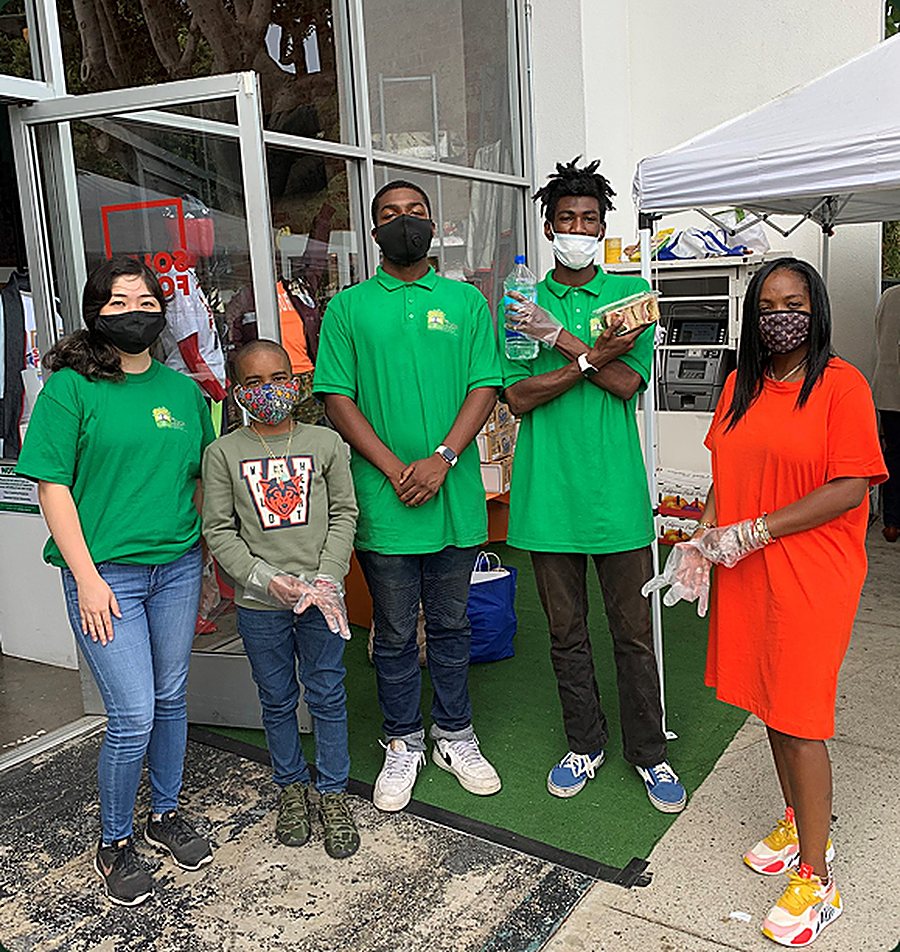
One worker. One plan. However long it takes.
Every client who enters a Good Seed program — through emergency shelter, family crisis housing or transitional housing — receives individualized case management tailored to their needs, strengths and goals. From day one, people are active participants in their own journey toward stability and independence.
- ICMS
- Adults 18–80 experiencing homelessness with chronic illness, disability or mental health challenges · referred via CES / Housing for Health
- ASCENT
- Adults recently released from jail, prison or detention; on probation, parole or supervision
- ECM
- Medi-Cal members in one of nine populations of focus · details
- Contact
- (323) 758-5433
A foundation of trust and compassion.
Case management at Good Seed is rooted in compassion, consistency and relationship-building. Our staff and peer support teams work alongside clients, meeting them where they are and creating an environment where trust can grow. Those genuine connections are the foundation for meaningful progress and long-term success.
Crisis support begins the moment someone arrives, to promote safety and emotional stability. Every staff member is trained in Psychological First Aid and Trauma-Informed Care. Using Motivational Interviewing, we help people identify priorities, clarify goals and build confidence by focusing on their strengths. The goal is not only to meet immediate needs but to support growth that continues long after someone leaves our programs.
Before we can water the seeds of trust with services and resources, the soil has to be cared for first.
Intensive Case Management Services · ages 18–80Helping people move from homelessness to home.
ICMS is a comprehensive supportive housing program administered through the LA County Department of Health Services’ Housing for Health initiative. It provides wraparound services to people aged 18 to 80 who are experiencing homelessness alongside chronic illness, disability or mental health challenges. People with complex health conditions and chronic homelessness need more than housing; ICMS provides the support necessary to achieve and keep physical, mental and housing stability, reducing reliance on emergency services while promoting long-term housing retention and better health.
Each participant is paired with a dedicated case manager who provides consistent, hands-on support from outreach and housing search to long-term stability. ICMS is a vital part of LA County’s Permanent Supportive Housing system, blending safe housing with tailored services.
Program benefits
- Housing search, application support and move-in coordination
- Comprehensive care coordination linking health, mental health and substance use services
- Benefits assistance — SSI, General Relief, Medi-Cal, CalFresh
- Crisis intervention and eviction prevention
- Life-skills development, tenancy education and medication management support
- Regular in-person home visits and check-ins
- Long-term engagement — a minimum of two years — with sustained follow-up
Four principles
- Housing First. Everyone deserves a home, without preconditions. Housing is the foundation for healing and growth.
- Trauma-Informed Care. Safe, supportive spaces built on trust, understanding and empowerment.
- Harm Reduction. We meet participants where they are, focusing on progress over perfection.
- Whatever It Takes. From housing navigation to health access and crisis support, the team goes above and beyond.
Who ICMS serves
Individuals and families who have experienced homelessness, including those living with chronic health conditions, mental illness or substance use challenges.
- Ages 18–80
- Referred through LA County’s Coordinated Entry System (CES) and Housing for Health (HFH)
Empowering formerly incarcerated people to thrive.
The ASCENT Program provides trauma-informed, dignity-centered case management for adults transitioning from incarceration back into community life. It is dedicated to helping people overcome barriers and build a stable, fulfilling future — with a multidisciplinary team, intensive case managers with low caseloads (1:15 to 1:30), and peer support specialists with lived experience.
Who we serve
- Adults recently released from jail, prison or detention
- People on probation, parole or post-release supervision
- People with co-occurring mental health or substance use challenges
- High-risk individuals with histories of homelessness or justice involvement
What we offer
- Housing stability — navigating transitional or permanent housing; retention and landlord coordination.
- Behavioral health — mental health and substance use treatment, crisis intervention, peer support, integrated with CalAIM Enhanced Care Management and Community Supports.
- Employment & income — résumés, job readiness and placement; vocational training; benefits enrollment; financial literacy and budgeting.
- Legal & compliance — probation or parole compliance, court navigation and documentation, advocacy for record expungement or legal aid.
- Social reintegration — family reunification, community engagement, peer mentoring and support groups, life skills and personal goals.
Our impact
- Reduced recidivism and justice-system contact
- Increased housing stability and behavioral health engagement
- Improved employment and financial independence
- Stronger community connections and self-sufficiency
- Equitable support, tracked by race, gender and disability
Coming home soon?
Probation, parole and re-entry partners can refer directly. So can you, or a family member.
Also a Medi-Cal benefit.
If you are a Medi-Cal member with complex health and social needs, Enhanced Care Management gives you a dedicated Lead Care Manager who coordinates physical health, behavioral health, dental, developmental and social services in one plan, in person. Eligibility and the nine populations of focus are on the CalAIM page.
Not sure you qualify?
You probably do more often than you’d think. Tap what you need and we’ll show you who to call.